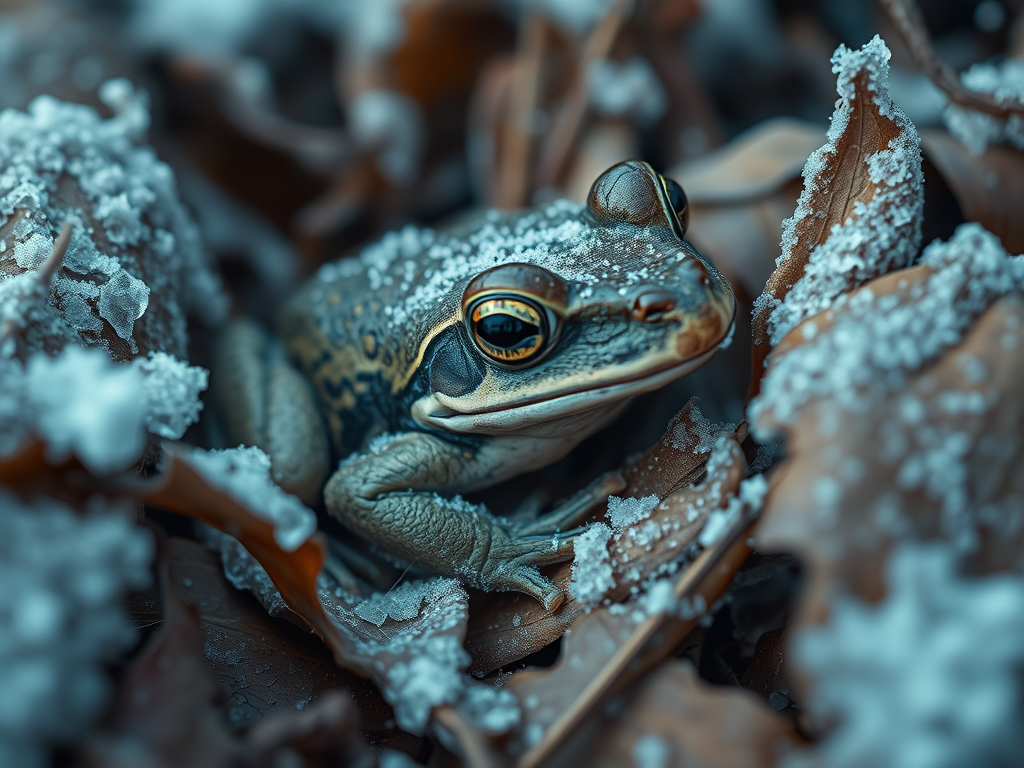
If a human being freezes solid, it is game over. Our cells burst, our heart stops, and there is no coming back.
But in the forests of North America, there is a small creature that defies the laws of biology. It is called the Wood Frog (Lithobates sylvaticus), and it has a superpower that sounds like science fiction.
Every winter, this frog allows itself to freeze into a block of ice. It stops breathing. Its heart stops beating. Medically speaking, it is dead.
Then, when spring arrives, it thaws out, shakes off the ice, and hops away looking for a mate. Here is the incredible science behind the “Zombie Frog.”
1. Entering the Deep Freeze
Most animals hibernate away from the cold—bears go into caves, and birds fly south. The Wood Frog does the opposite. It burrows just under the leaves on the forest floor, where the temperature drops well below freezing.
When the ice touches the frog’s skin, it triggers a dramatic chain reaction. Within minutes, the frog’s entire body begins to shut down.
- No Heartbeat: The heart completely stops pumping blood.
- No Breathing: The lungs stop working.
- No Brain Activity: If you hooked it up to an EEG machine, it would show a flatline.
For weeks or even months, the frog is essentially a rock-hard ice cube. You could pick it up and tap it against a table, and it would sound like a stone.
2. The Secret: Natural Antifreeze
So, why doesn’t the frog die?
When water freezes, it expands. In humans, this expansion acts like jagged shards of glass, shredding our cells from the inside out (this is called frostbite).
The Wood Frog has evolved a biological trick to prevent this. As soon as it feels the cold, its liver starts pumping massive amounts of glucose (sugar) and urea into its bloodstream.
This syrupy mixture acts as a natural antifreeze. It packs the inside of the cells with sugar, preventing the water inside them from freezing. The water between the cells freezes solid, but the cells themselves remain soft and protected.
Essentially, the frog turns its body into a sugary popsicle to survive.
3. The Great Thaw
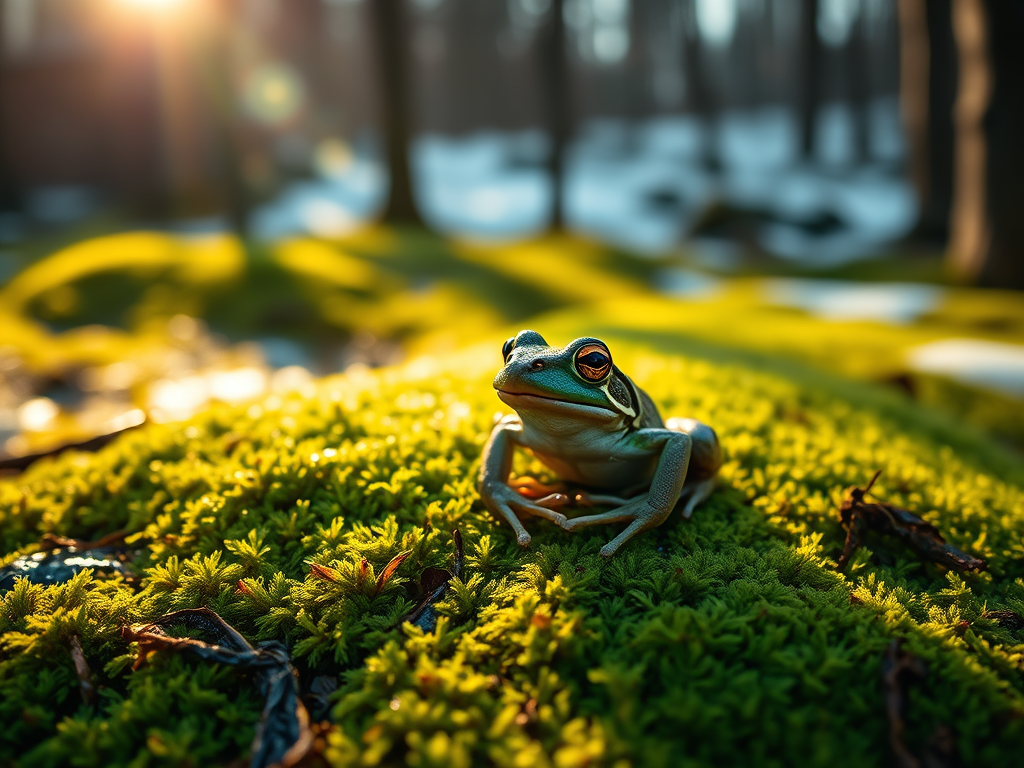
The most miraculous part happens when the weather warms up.
As the ambient temperature rises, the frog begins to thaw from the inside out. The heart, which may have been silent for months, spontaneously starts beating again. Circulation returns, flushing the sugar out of the cells.
Within hours, the frog goes from a “dead” block of ice to an active animal, hopping around the forest as if nothing happened.
4. Why Scientists Are Obsessed
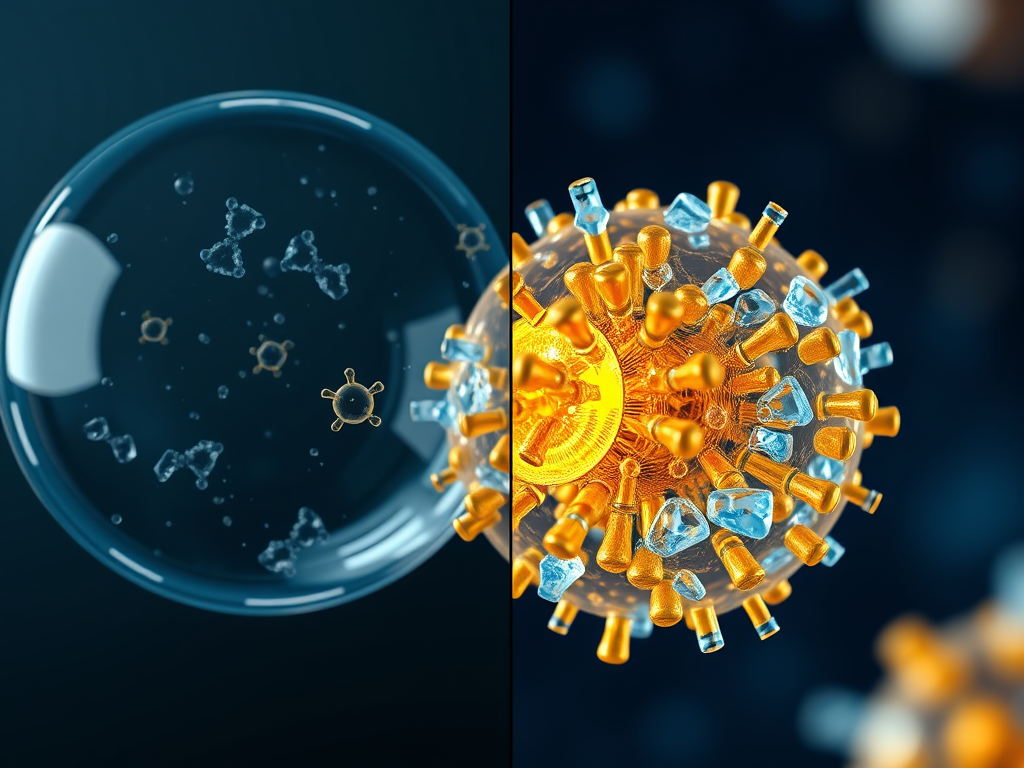
This isn’t just a cool party trick; it could change the future of human medicine.
Scientists and cryobiologists are studying the Wood Frog to solve a major problem in organ transplants. Currently, a human heart or kidney can only be kept on ice for a few hours before the tissue dies.
If we can figure out how to replicate the frog’s “sugar antifreeze” method, we might be able to freeze human organs for weeks or months, saving thousands of lives. It also holds the key to the concept of Cryonics—freezing humans for long-distance space travel.
Conclusion
Nature is often stranger than any movie. The Wood Frog teaches us that the line between life and death isn’t as clear as we think.
So, if you are walking through the woods this winter and see a frozen frog, don’t feel sorry for it. It’s just taking a very, very cold nap.
Fascinated by nature’s weirdest survivors? Check out our Nature category for more, or dive into Science to see how biology impacts our future.