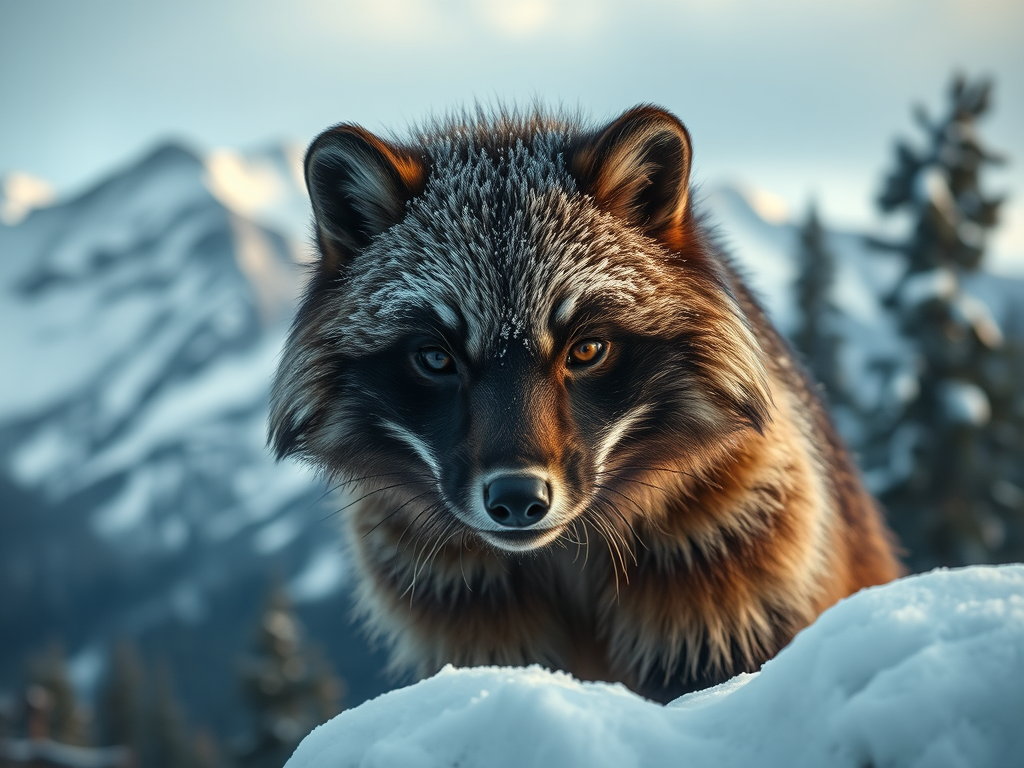
When most people hear the word “Wolverine,” they picture a brooding superhero with adamantium claws. But the real-life animal is arguably even more impressive—and definitely more ferocious.
Roaming the frozen forests of the Northern Hemisphere, this creature is a survival machine built for the harshest conditions on Earth. It is part bear, part weasel, and 100% nightmare for anything that crosses its path.
Here is the true story of the Wolverine (Gulo gulo), the animal that fights bears and wins.
1. They Are Not “Little Wolves”
Despite the name, wolverines are not related to wolves. They are actually the largest terrestrial member of the Mustelid (weasel) family. That makes them a supersized cousin of the badger, otter, and weasel.
Think of them as a 40-pound weasel on steroids with a serious anger management problem.
2. Their Claws Don’t Retract (Take That, Hugh Jackman)
In the comics, Wolverine’s claws slide in and out. In reality, the wolverine possesses semi-retractable claws that are always ready for action.
These curved claws act like built-in crampons (climbing spikes), allowing them to sprint up trees, scale sheer cliffs, and run across deep snow without sinking.
3. They Are Called “Skunk Bears” for a Reason
If you ever meet a wolverine, you will smell it before you see it.
They possess powerful anal scent glands that release a musk so pungent they have earned the nickname “Skunk Bear” or “Nasty Cat.” They use this foul odor to mark their massive territories (which can be up to 600 square miles) and to spray their food so other predators won’t want to eat it.
4. They Have 90-Degree Rotated Teeth
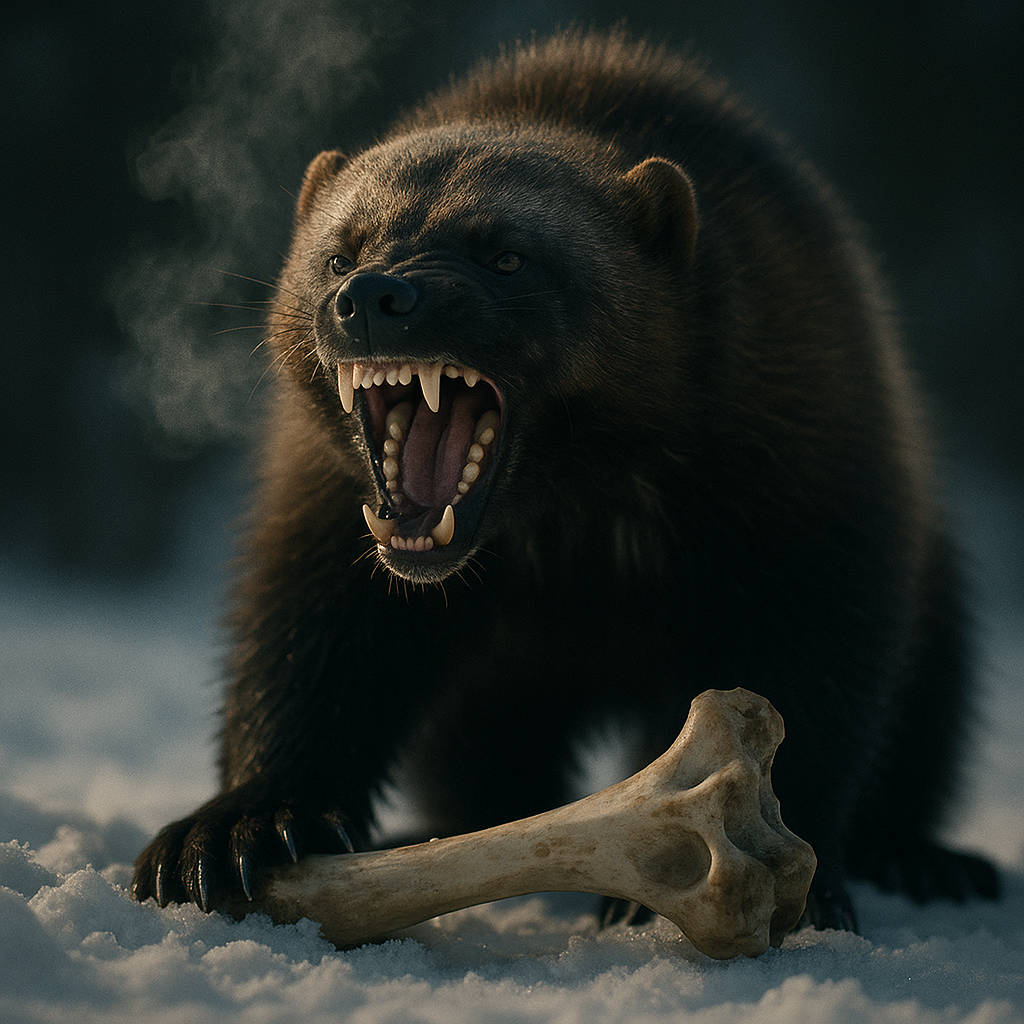
Living in the Arctic means your food is often frozen solid. To survive, the wolverine has evolved a special upper molar that is rotated 90 degrees inward.
This bizarre dental feature, combined with massive jaw muscles, allows them to crush through frozen meat and heavy bone like a hydraulic press. They are one of the few animals that can eat every part of a carcass, including the teeth and skull.
5. David vs. Goliath: They Fight Bears
Wolverines are famously fearless. Despite rarely weighing more than 40 lbs (18 kg), they have been recorded attacking and chasing away animals ten times their size.
There are documented cases of wolverines killing moose or caribou by jumping onto their backs and biting the spine. They have even been seen fighting grizzly bears over a carcass—and winning, simply because the bear decided the crazy “weasel” wasn’t worth the trouble.
6. The Super-Nose
A wolverine’s sense of smell is legendary. They can detect a dead animal buried under 20 feet of snow.
This makes them excellent rescue dogs for avalanches… if they didn’t have a tendency to eat the survivors. In the wild, they use this skill to find animals killed by avalanches, digging them out to feast while other predators starve.
7. They Use Nature’s Refrigerator
Wolverines are smart. When they kill a large animal or find a scavenged carcass, they know they can’t eat it all at once.
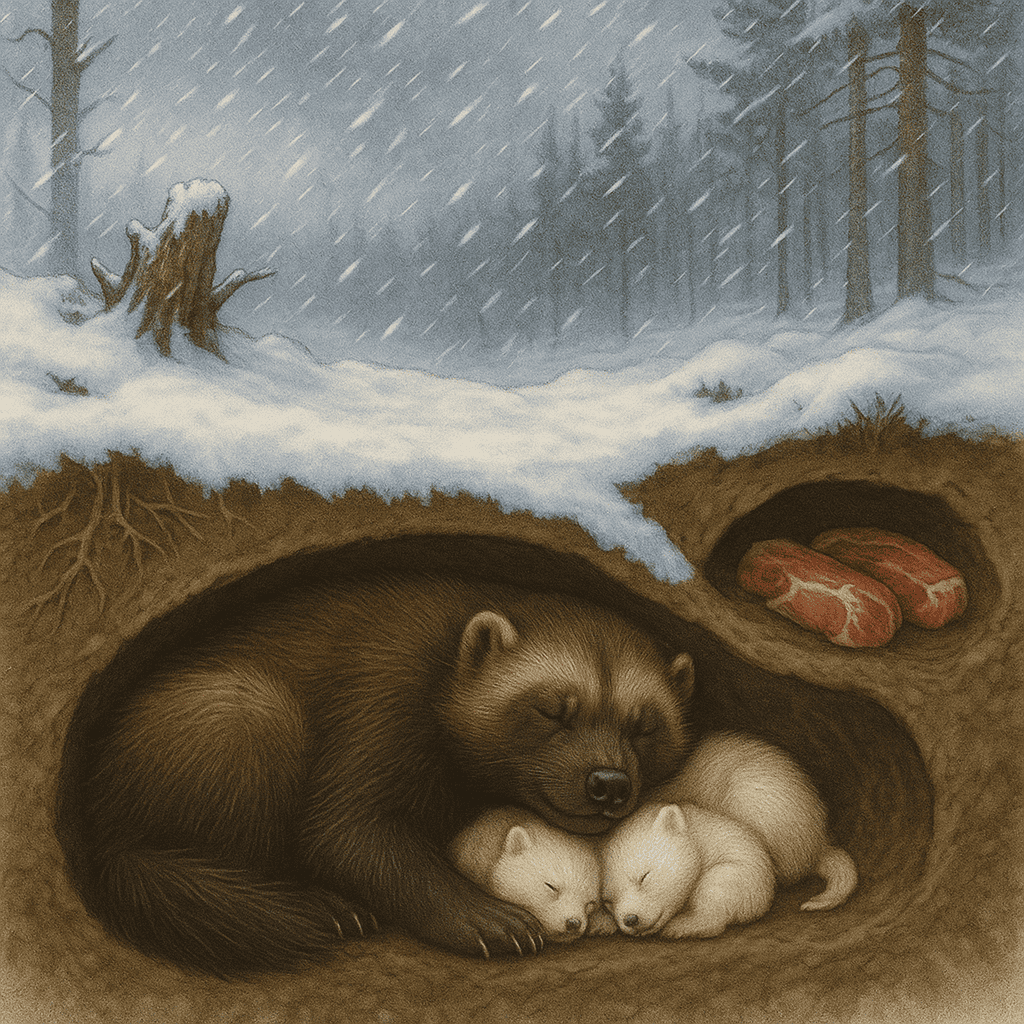
Mothers will dig deep dens into the snow and store the food there. The freezing temperatures keep the meat fresh for months, allowing them to feed their kits (babies) even when hunting is impossible.
8. Their Fur is Frost-Proof
Wolverine fur is unique in the animal kingdom. It is highly hydrophobic (water-repellent) and resistant to frost.
Unlike other furs that collect ice from breath or humidity, wolverine fur stays dry and warm. For centuries, Arctic indigenous peoples, including the Inuit and Sámi, have prized wolverine fur for lining the hoods of their parkas because it doesn’t freeze against the face.
9. Their Scientific Name Means “Glutton”
The scientific name for the wolverine is Gulo gulo. In Latin, Gulo means “Glutton.”
They earned this name because of their voracious appetite. A wolverine will eat until its stomach is distended, and if there is still food left, it will drag the bones away to cache them for later. They waste nothing.
10. They Are Ultra-Marathon Runners
While they look stocky and slow, wolverines are endurance athletes. They don’t sprint; they patrol.
A single wolverine can travel 15 to 40 miles (24 to 64 km) in a single day through deep snow and over mountain peaks without resting. They are constantly on the move, patrolling their massive territories to find food or mates.
Conclusion
The comic books got one thing right: the wolverine is a virtually indestructible fighter.
From bone-crushing jaws to surviving the coldest winters on the planet, the wolverine is the ultimate survivor. It might not have metal bones, but with an attitude this bad, it doesn’t need them.
Enjoyed this walk on the wild side? Explore more Wildlife facts or check out our Science section for more biology oddities.




4 Comments on “The Real Wolverine: 10 Wild Facts About Nature’s Fiercest Fighter”