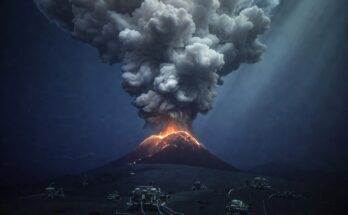
We tend to think the map of the world is finished. We know where the continents are, we know where the oceans end, and we assume we know how our planet works. But what if I told you there is a “lost” continent currently hiding under Southeast Asia? Or that there is a man-made fence in Australia that is longer than the distance between London and New York?
Earth is not just a rock floating in space; it is a dynamic, shifting puzzle full of invisible lines, underwater secrets, and geological time bombs.
If you love uncovering the strange side of science, you’re in the right place. Here are 10 mind-blowing geography facts that explain the weirdest mysteries on Earth.
1. The Invisible Forcefield: The Wallace Line
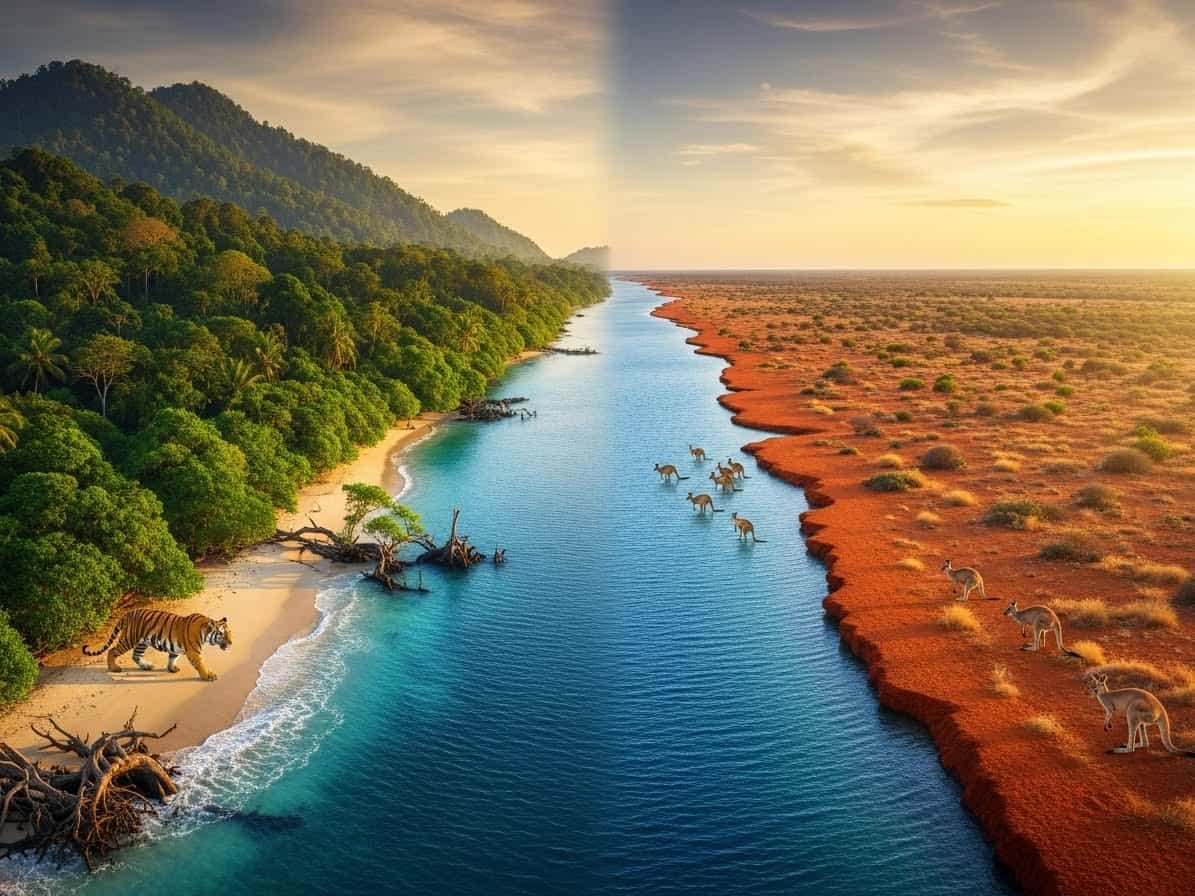
Imagine walking through a jungle and seeing tigers, rhinos, and monkeys. Then, you cross a narrow strip of water, and suddenly, everything changes. No more tigers—only kangaroos, cockatoos, and marsupials.
This isn’t magic; it’s the Wallace Line. Running between the Indonesian islands of Borneo and Sulawesi, this invisible boundary marks an ancient evolutionary split.
- The Science: Millions of years ago, Australia broke away from Antarctica and drifted north, crashing toward Asia. A deep ocean trench kept the land animals from crossing over, creating two completely different worlds right next to each other.
2. The Fence Longer Than the USA
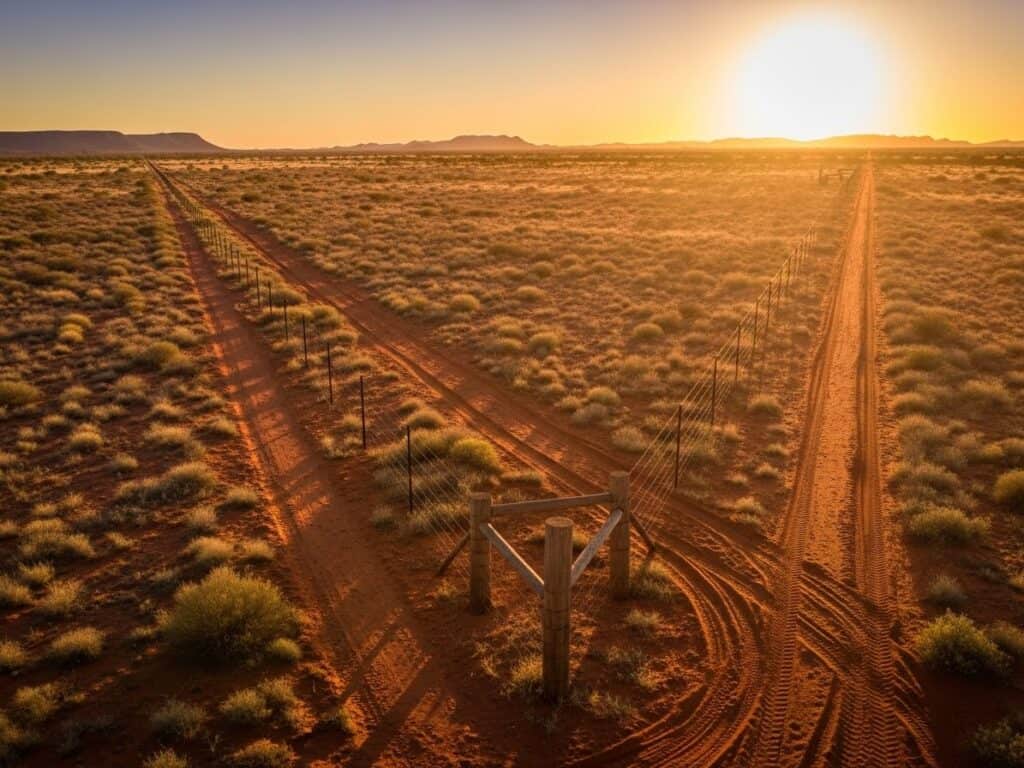
When we think of great man-made structures, we think of the Great Wall of China. But Australia has a secret giant: the Dingo Fence.
- The Scale: Stretching over 3,400 miles (5,600 km), it is one of the longest structures on the planet. If you laid it out flat, it would bridge the gap between London and New York.
- The Purpose: Built in the 1800s to keep dingoes away from sheep in the southeast, it has accidentally created an ecological experiment. The fence works so well that kangaroos on the “safe” side have overpopulated, having no predators to stop them.
3. The Sahara Fertilizes the Amazon
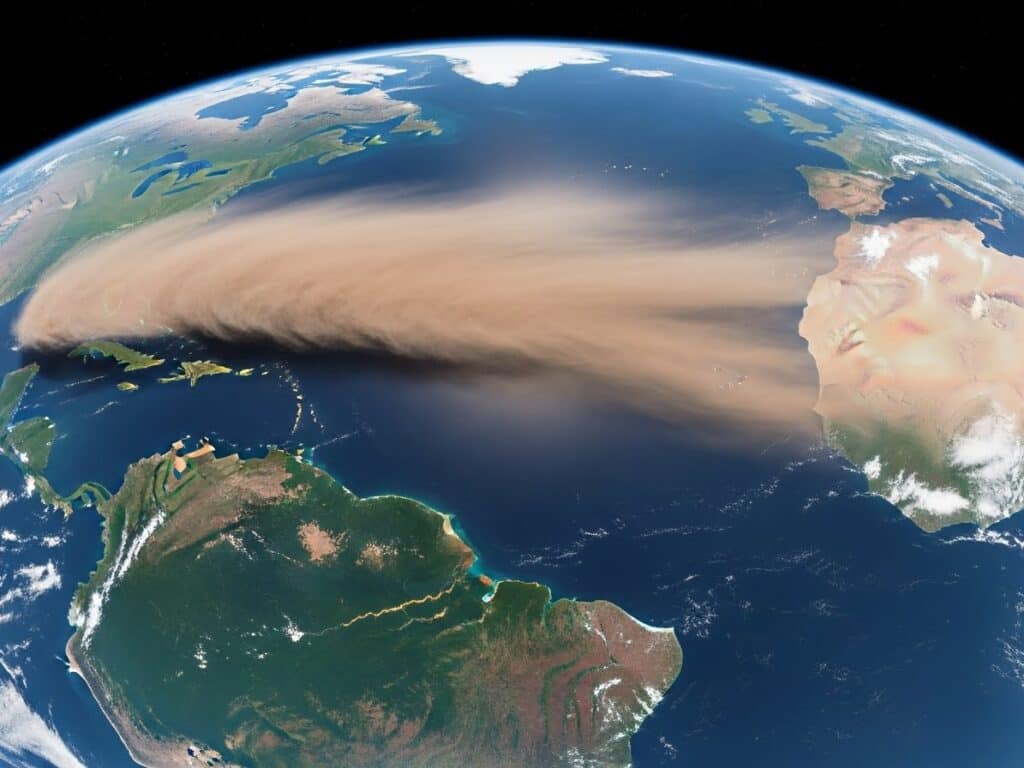
The Sahara Desert is the largest hot desert on Earth, a barren wasteland of sand. The Amazon Rainforest is the wettest, greenest place on Earth. They seem like opposites, but they are secretly best friends.
- The Connection: The soil in the Amazon is actually quite poor. It survives because massive plumes of dust from the Sahara blow across the Atlantic Ocean every year. This dust is rich in phosphorus, acting as a natural fertilizer that keeps the Amazon alive. Without the desert, the rainforest might die.
4. Africa is Physically Splitting in Two
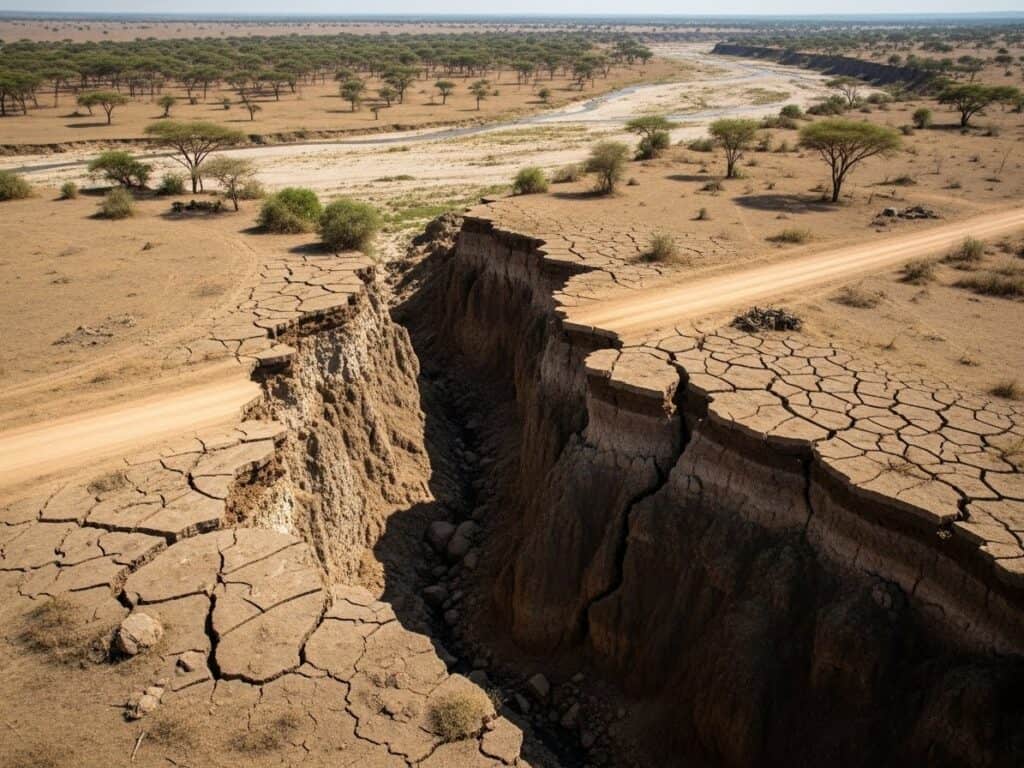
Maps are not permanent. If you visit the East African Rift, you can see the future happening in real-time.
- The Event: A massive crack opened up in Kenya in 2018, swallowing a highway. This is evidence that the Somali and Nubian tectonic plates are pulling apart.
- The Result: In about 10 to 50 million years, East Africa will completely break off, turning the rift valley into a brand-new ocean.
5. We Found the “Lost Continent” of Argoland
For decades, geologists were puzzled by a massive void in the map. 155 million years ago, a chunk of land the size of the USA broke off from Australia and vanished. They called it Argoland.
- The Discovery: It didn’t sink like Atlantis; it shredded. Dutch scientists recently discovered that Argoland fragmented into a “ribbon” of micro-continents that are now buried beneath the jungles of Myanmar and Indonesia. We’ve been walking on a lost continent this whole time without knowing it.
6. The “Bio-Duck” Mystery Solved
For 50 years, submarine crews in the Southern Ocean were terrified by a mechanical, repetitive “quacking” sound underwater. They named it the Bio-Duck. Was it a secret weapon? A giant squid?
- The Truth: It wasn’t a monster. It was the Minke Whale. Scientists finally attached sensors to the whales and realized this strange sound is a communication pulse they use before deep dives.
7. The Forbidden Island of Death
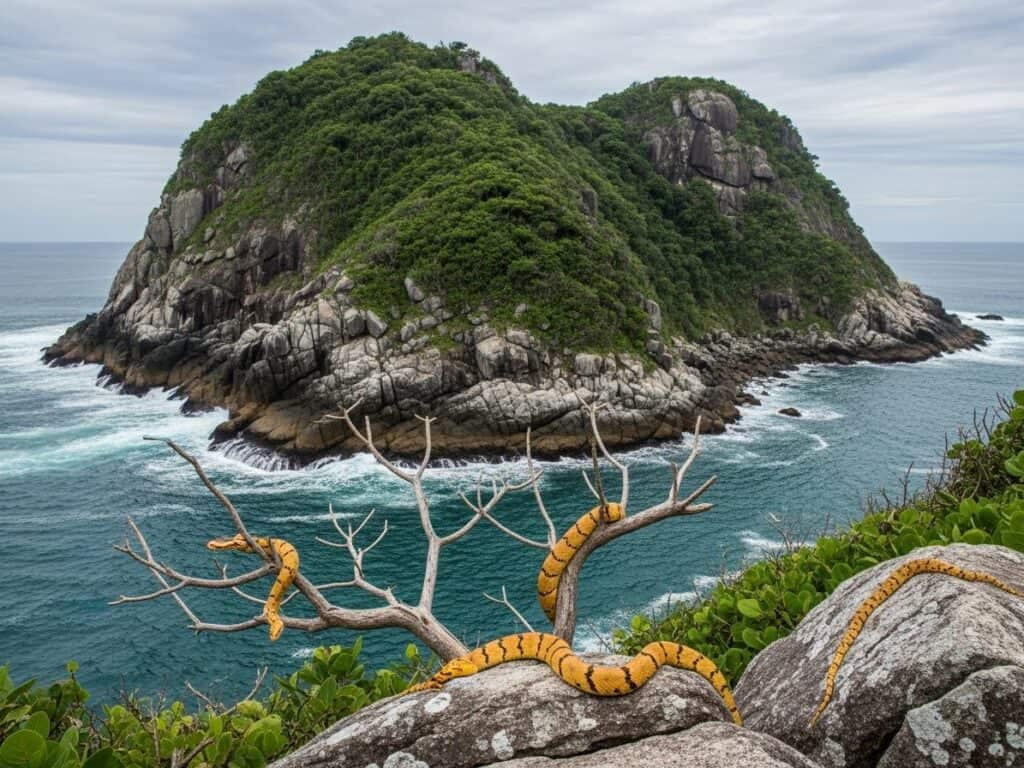
There is an island off the coast of Brazil where humans are forbidden to set foot. Ilha da Queimada Grande, or Snake Island, is the only place on Earth home to the Golden Lancehead Viper.
- The Danger: The venom of this snake is up to five times more potent than its mainland cousins, capable of melting human flesh. With an estimated one snake per square meter in some spots, it is practically impossible to walk there and survive.
8. Time Travel is Real (Sort Of)
The International Date Line is the weirdest imaginary line on Earth. It zigzags across the Pacific Ocean to accommodate various island nations.
- The Mind-Bender: You can fly from Los Angeles to Tokyo and land “tomorrow.” Or, you can stand in the Line Islands (Kiribati) and be the first person to celebrate the New Year, while someone just a few miles away in American Samoa is still a full day behind you. For one hour every day, three different calendar days exist on Earth simultaneously.
9. Antarctica is Hiding Secrets Under the Ice
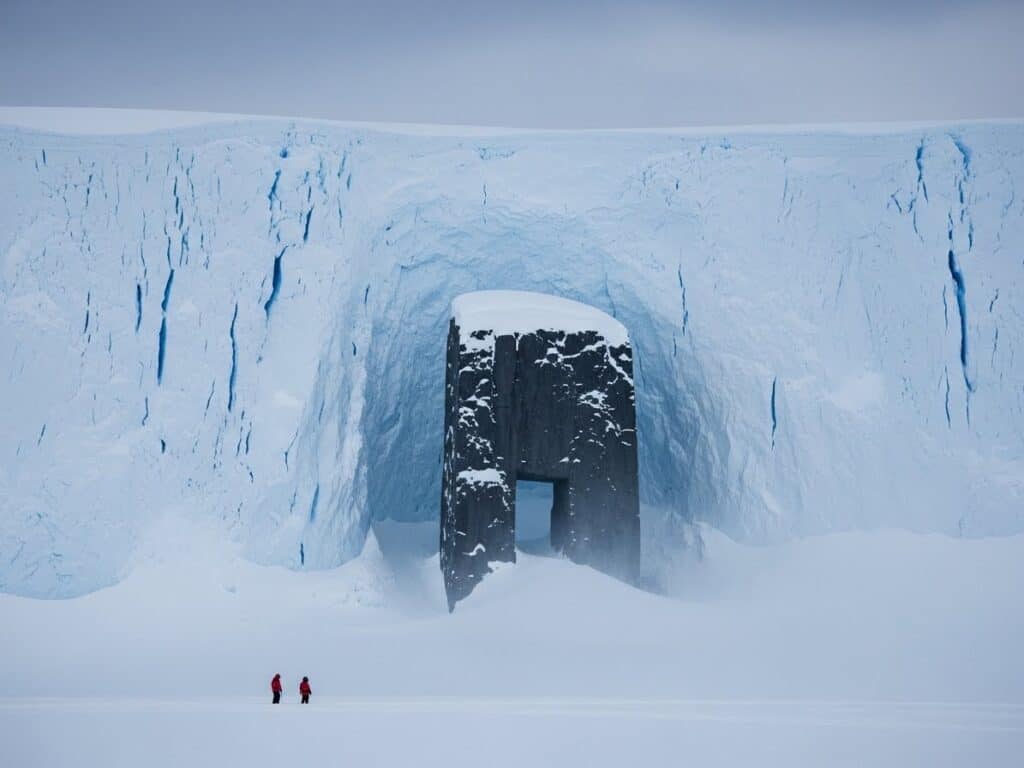
Antarctica isn’t just a block of ice; it’s a time capsule.
- Underground Lakes: There are over 400 lakes of liquid water trapped beneath the ice sheets, isolated for millions of years.
- The Canyon: There is a canyon under the ice deeper than the Grand Canyon.
- The “Door”: Satellite hunters recently spotted a “doorway” in the ice. While internet theorists screamed “Aliens,” it turned out to be a natural rock fracture revealed by melting ice—a reminder that the landscape there is changing fast.
10. The Next Supercontinent: Amasia
Just as Pangea existed in the past, a new supercontinent is coming in the future.
- The Prediction: Geologists believe that in about 250 million years, the Pacific Ocean will close up. North America will collide with Asia, merging into a super-landmass likely to be called Amasia. The bad news? The interior will likely be a scorching, uninhabitable desert.
Conclusion The more we study our planet, the more we realize how much we have left to learn. From shifting continents to hidden ecosystems, Earth is constantly evolving. Which of these mysteries surprised you the most?
Want to see the visuals? Watch the full deep-dive video below: